Contractor Insurance
Insurance Built for How Contractors Actually Work
Contractors face risk every day. Jobsites change, crews rotate, tools move, and contracts shift responsibility in ways that are not always obvious. One mistake, one injury, or one overlooked contract clause can create serious financial consequences. Contractor insurance exists to reduce those risks, but only when it is structured correctly.
Jay Stoetzer Insurance Agent works with contractors across Missouri and Kansas to design insurance coverage that reflects real jobsite conditions. The focus is not on generic classifications, but on understanding how work is performed, what contracts require, and where exposure truly exists. Contractors benefit from clear explanations, careful review, and coverage that supports growth rather than creating obstacles.
Explore how contractor insurance works, what coverage areas matter most, and how independent guidance helps contractors avoid costly gaps. Our contractors and trades insurance includes: general contractors, roofers, HVAC, plumbers, electricians, painters, flooring, fencing, landscapers, and power washing.

Coverage for Interior Construction Risks
Drywall contractors face daily exposure to property damage, jobsite injuries, and finished surface claims. Drywall contractor insurance is designed to help protect against third-party liability arising from installation work, accidental damage, or bodily injury on the jobsite.
Jay works with drywall professionals to assess risk based on project scope, materials handled, and contractual requirements. Coverage discussions often include general liability, tools and equipment protection, and workers’ compensation considerations where applicable. Understanding how exclusions and endorsements apply is essential when working in occupied or finished spaces.
Drywall contractor insurance is not just about compliance. It helps protect cash flow, business reputation, and long-term operations when claims arise unexpectedly.

Managing High-Risk Trade Exposures
Electrical work carries elevated risk due to fire hazards, power failures, and injury potential. Electrical contractor insurance helps protect against claims related to property damage, bodily injury, and completed operations.
Jay helps electrical contractors evaluate coverage needs based on project type, voltage exposure, and licensing requirements. This includes reviewing liability limits, contractor endorsements, and tools or equipment coverage for mobile operations. Proper insurance planning helps address risks that may not surface until after a project is completed.
Electrical contractor insurance supports long-term stability by helping safeguard business assets, contracts, and professional credibility in a highly regulated trade.

Protection for Detail-Oriented Trades
Finish carpentry involves precision work where even small mistakes can lead to costly claims. Finish carpentry contractor insurance helps protect against liability arising from property damage, installation errors, or jobsite injuries.
Jay works with finish carpenters to align coverage with the types of projects performed, whether residential trim, cabinetry, or custom installations. Discussions include general liability exposure, completed operations, and equipment coverage for specialized tools.
Finish carpentry contractor insurance helps protect income and reputation by ensuring coverage responds appropriately when claims arise during or after project completion.

Coverage for Installation and Surface Damage
Flooring contractors frequently work in occupied spaces where damage claims are common. Flooring contractor insurance helps protect against liability related to property damage, slip-and-fall injuries, or installation errors.
Jay evaluates flooring operations based on materials used, jobsite conditions, and subcontractor involvement. Coverage considerations often include general liability, tools coverage, and completed operations protection.
Flooring contractor insurance provides peace of mind by helping contractors manage financial exposure while maintaining strong relationships with builders, homeowners, and commercial clients.

Structural Risk Protection
Framing contractors operate in high-risk environments involving structural integrity and jobsite safety. Framing contractor insurance helps protect against liability claims tied to injuries, property damage, or construction defects.
Jay works with framing contractors to assess exposure related to project size, crew structure, and contractual obligations. Coverage discussions focus on liability limits, workers’ compensation considerations, and equipment exposure.
Framing contractor insurance supports operational continuity by helping protect against claims that could otherwise disrupt projects or strain business finances.

Broad Coverage for Project Oversight
General contractors manage multiple trades, timelines, and liability exposures. General contractor insurance helps protect against claims arising from subcontractor work, jobsite injuries, and property damage.
Jay helps general contractors evaluate coverage based on project scope, contract language, and subcontractor risk transfer. This includes reviewing general liability, excess coverage, and additional insured requirements.
General contractor insurance is essential for protecting business assets while maintaining compliance with project owners and lenders.
Mechanical and Installation Risk Coverage
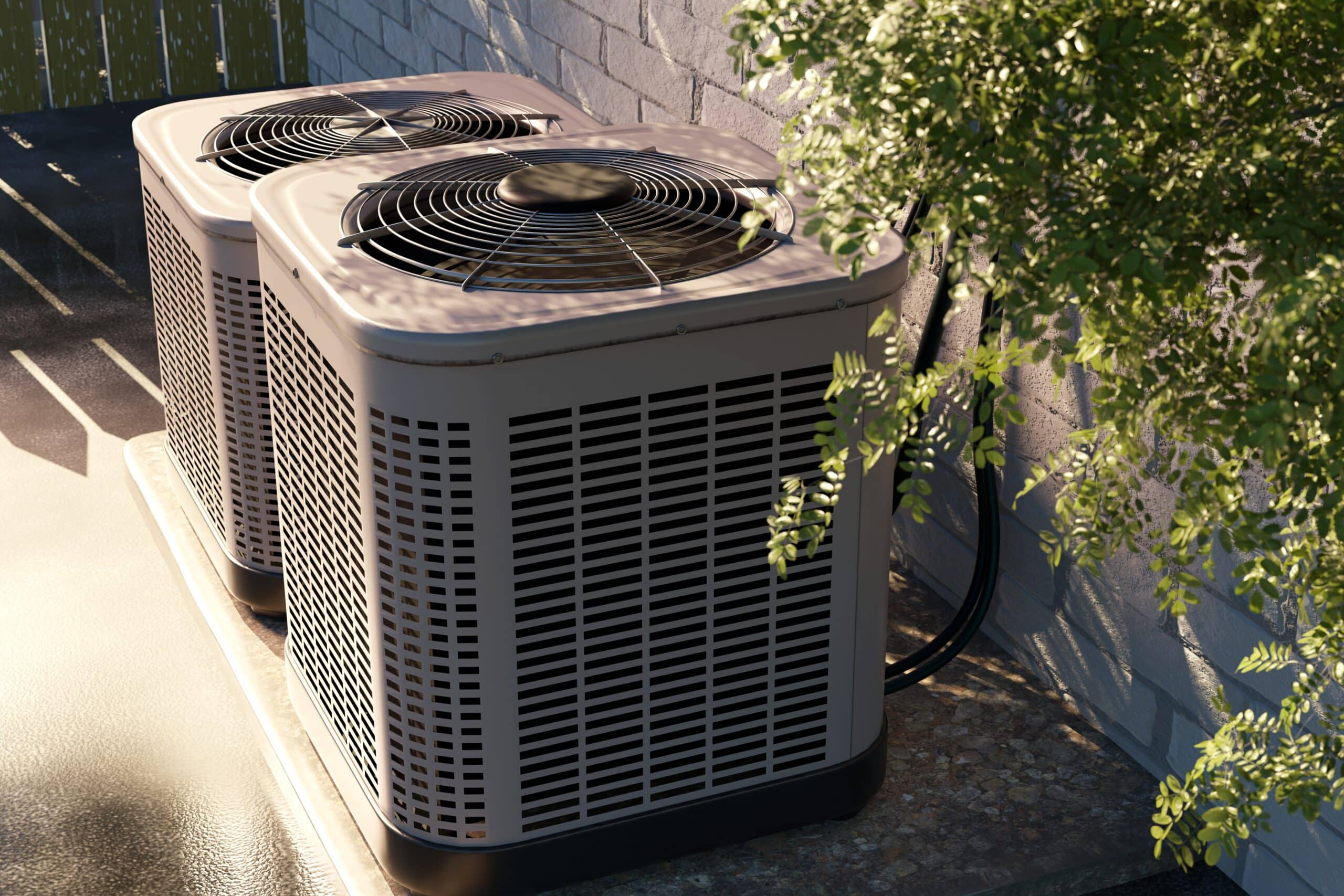
HVAC contractors face exposure related to mechanical failure, property damage, and system performance. HVAC contractor insurance helps protect against liability claims stemming from installation or service work.
Jay reviews coverage needs based on system types, service work, and project size. Considerations often include general liability, tools and equipment, and completed operations protection.
HVAC contractor insurance supports long-term growth by helping contractors manage risk in both residential and commercial environments.

Liability Coverage for Ongoing Services
Janitorial contractors work in occupied facilities where slip-and-fall claims and property damage are common. Janitorial contractor insurance helps protect against third-party liability related to cleaning operations.
Jay works with janitorial businesses to align coverage with contract requirements, building types, and employee exposure. Coverage reviews often include general liability and employee-related protections.
Janitorial contractor insurance helps ensure continued service operations by protecting against frequent, low-to-moderate severity claims.

Heavy Trade Exposure Protection
Masonry and concrete work involve heavy materials and structural responsibility. Masonry and concrete contractor insurance helps protect against liability claims related to injury, property damage, or completed work.
Jay evaluates exposure based on project size, equipment use, and structural responsibility. Coverage discussions focus on liability limits, equipment coverage, and contractual risk.
Masonry and concrete contractor insurance supports stability in a trade where claims can be severe and costly.

Specialized Trade Coverage
Plastering and stucco work involve exterior finishes where weather, adhesion, and surface failure claims can arise. Plastering and stucco contractor insurance helps protect against liability from installation issues or property damage.
Jay reviews coverage needs based on application methods, project environments, and contract terms. Completed operations coverage is often a key discussion point.
Plastering and stucco contractor insurance helps safeguard against delayed claims that may surface long after project completion.

Coverage for Property Damage Risks
Painting contractors frequently face claims related to overspray, surface damage, or jobsite accidents. Painting contractor insurance helps protect against liability arising from these common exposures.
Jay works with painting contractors to assess risk based on materials, locations, and crew size. Coverage discussions often include general liability and tools protection.
Painting contractor insurance helps protect profitability by managing risks that occur in residential and commercial projects alike.

Water Damage Liability Protection
Plumbing contractors face significant exposure to water damage and property loss. Plumbing contractor insurance helps protect against claims resulting from leaks, installation errors, or jobsite injuries.
Jay evaluates plumbing operations based on service type, project size, and emergency work exposure. Coverage considerations include liability limits and completed operations protection.
Plumbing contractor insurance plays a critical role in protecting business assets from high-cost claims.

Height and Weather-Related Risk Coverage
Roofing contractors operate in one of the highest-risk construction trades. Roofer contractor insurance helps protect against injuries, property damage, and weather-related claims.
Jay works with roofing contractors to assess exposure based on roof type, materials, and crew structure. Coverage discussions often include liability limits and workers’ compensation considerations.
Roofer contractor insurance supports business continuity by helping manage severe claim potential in a demanding trade.
Why Contractor Insurance Requires Special Attention
Contractor insurance is more complex than many expect. Different trades face different hazards. A framing crew faces different risk than a painting contractor. A general contractor coordinating multiple subs faces different exposure than a specialty trade working alone.
Jay helps contractors understand how jobsite activities, equipment usage, employee roles, and subcontractor relationships influence insurance needs. Coverage decisions are tied to how work is actually completed, not assumptions made on an application. This approach reduces surprises during audits, claims, or contract reviews.
Contractor insurance should support bidding, protect income, and reduce personal exposure. When structured poorly, it can do the opposite.
Understanding Responsibility
Jobsite injuries affect more than the injured worker. They can disrupt projects, increase costs, and create legal exposure. Even contractors without direct employees may face risk depending on how subcontractors are classified.
Jay helps contractors understand how injury related exposure affects insurance needs. This includes reviewing how coverage interacts with contracts and jobsite responsibilities. The goal is to reduce confusion and ensure contractors understand where responsibility lies.
Clear structure helps contractors protect both their business and their reputation.

Coverage That Matches the Work
Jay Stoetzer Insurance Agent provides contractor insurance guidance across a wide range of trades. Each trade has unique risk and insurance considerations. Dedicated sections on this website address coverage needs for drywall, electrical, finish carpentry, flooring, framers, HVAC, janitorial, masonry and concrete, painting, plastering and stucco, plumbing, roofing, and general contractors.
Organizing coverage by trade helps contractors find relevant information quickly and understand how insurance applies to their specific work. This structure supports better decisions and fewer assumptions.

Flexible and Clear Comparisons
As an independent insurance agent, Jay Stoetzer is not restricted to a single insurance company. This allows him to compare options and explain differences clearly. Clients benefit from seeing how coverage varies, not just how pricing compares.
Independent guidance allows coverage to evolve over time. As vehicles change, properties are updated, or family circumstances shift, insurance should adapt. Jay’s role is to help clients navigate those changes without unnecessary complexity.
Independence also supports long term relationships.
Clients are not tied to a single carrier. Instead, they work with an advisor who remains consistent even when coverage options change.

Learning From Real World Scenarios
Contractor insurance can feel technical and overwhelming. To reduce confusion, this website integrates educational video content throughout contractor pages. Videos explain common jobsite scenarios, coverage basics, and mistakes that often lead to denied claims.
Visual learning helps contractors build understanding quickly. Many arrive at conversations better prepared and more confident after watching these resources. Education leads to stronger decisions and fewer problems later.
Clear Review and Ongoing Support
The contractor insurance process begins with understanding how work is performed, what contracts require, and what coverage is currently in place. Jay reviews existing policies when available and explains where adjustments may be needed.
Recommendations are explained clearly and documented. Contractors are encouraged to ask questions and take time to understand options. Once coverage is in place, Jay remains available for reviews, certificates, updates, and ongoing guidance.
Contractor insurance is treated as a long-term strategy rather than a one-time purchase.
Moving Forward With Confidence
Contractor insurance should support your ability to work, bid, and grow without unnecessary risk. With experienced guidance and clear explanations, coverage becomes a tool rather than an obstacle.
Explore the trade-specific sections to learn how insurance applies to your work. Review the educational videos to build understanding. When you are ready, use the contact tools to discuss coverage designed around how you actually operate.