Masonry Concrete
Insurance Coverage Services
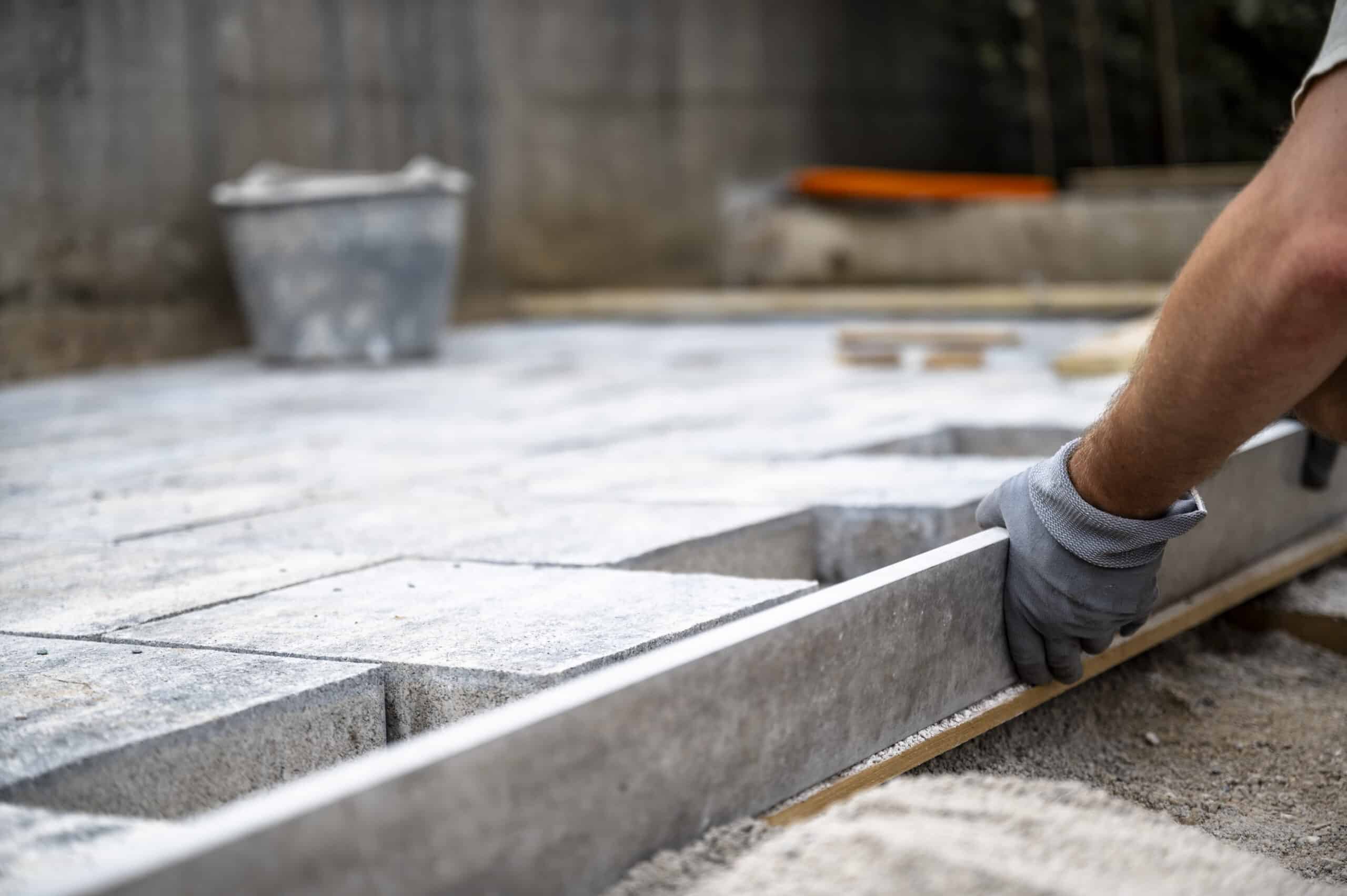
Insurance Built for Masonry and Concrete Contractors
Masonry and concrete contractors work with heavy materials, powerful equipment, and structural elements that form the foundation of buildings and infrastructure. Errors, injuries, or property damage at this stage of construction can result in serious financial consequences. Insurance for masonry and concrete contractors must reflect the physical demands, technical complexity, and long term responsibility associated with this work.
Jay Stoetzer Insurance Agent works with masonry and concrete contractors across Missouri and Kansas to design insurance coverage that aligns with how this work is actually performed. The goal is to protect the business, support contract compliance, and reduce exposure tied to jobsite operations, equipment, and finished work.
This page outlines key insurance considerations for masonry and concrete contractors and explains how experienced, independent guidance helps avoid costly gaps.
Understanding Risk in Masonry and Concrete Work
Masonry and concrete work involves lifting heavy materials, operating equipment, working at varying elevations, and coordinating pours and installations that cannot easily be reversed. Structural failure, cracking, surface defects, or property damage can lead to claims long after a project is completed.
Jay helps contractors evaluate risk based on the type of work performed, such as flatwork, foundations, retaining walls, block construction, or decorative concrete. Residential and commercial projects carry different exposure, and coverage decisions should reflect these differences rather than rely on broad classifications.
Understanding trade-specific risk is essential to building insurance that responds when problems arise.
General Liability Coverage for Masonry and Concrete Contractors
Core Protection for Structural Operations
General liability insurance is the foundation of masonry and concrete coverage. It helps protect against claims involving bodily injury or property damage arising from construction operations, including damage caused during pours, placement, or finishing.
Jay reviews liability limits, completed operations exposure, and contract requirements with contractors. Many builders, developers, and municipalities require specific limits and endorsements. Understanding these requirements helps prevent project delays and uncovered losses.
Liability coverage should protect both active jobsites and long-term business stability.
Completed Operations and Structural Claims
Risk After the Project Is Finished
Concrete and masonry claims often surface after the work has cured or been placed into service. Cracking, settling, water intrusion, or alleged installation defects can appear months or years later.
Jay helps contractors understand how completed operations coverage applies and how claims related to finished work are evaluated. Proper structure is essential for protecting against allegations tied to long-term performance.
Clear understanding of this exposure supports confident bidding and project planning.
Tools, Equipment, and Heavy Machinery
Protecting High Value Assets
Masonry and concrete contractors rely on mixers, saws, pumps, forms, and other specialized equipment. Theft, damage, or breakdown can stop projects and create costly delays.
Jay reviews how tools and equipment coverage applies based on storage, transportation, and jobsite usage. Understanding coverage limitations helps prevent assumptions that lead to uncovered losses.
Proper coverage helps contractors recover quickly after unexpected events.
Jobsite Injury Exposure
Managing Physical and Equipment Related Risk
Concrete and masonry work is physically demanding and often involves exposure to heavy loads, repetitive motion, and hazardous conditions. Injuries can disrupt schedules and increase costs.
Jay helps contractors understand how injury-related exposure affects insurance needs and contractual responsibility. Clear guidance helps businesses prepare for incidents and manage expectations.
Proper alignment supports worker safety and business continuity.
Vehicle and Transportation Risk
Moving Materials and Equipment
Transporting materials, forms, and equipment between suppliers and jobsites creates additional exposure. Vehicle accidents are a common source of claims for masonry and concrete contractors.
Jay evaluates how vehicles are used and explains when commercial auto coverage is appropriate. This includes reviewing driver exposure, vehicle types, and hauling activities. Proper coverage reduces the risk of denied claims after accidents.
Understanding transportation exposure protects both business and personal assets.
Contract Requirements and Documentation
Supporting Compliance and Payment
Masonry and concrete contractors are often required to provide certificates of insurance, endorsements, and specific limits before work begins. Missing or incorrect documentation can delay projects or payment.
Jay assists contractors in reviewing insurance requirements and aligning coverage with contract obligations. This support helps keep projects moving and reduces administrative strain.
Coverage is structured to meet requirements without unnecessary complexity.
Independent Insurance Guidance for Masonry and Concrete Contractors
Flexibility as Projects and Scope Change
As an independent insurance agent, Jay Stoetzer is not tied to a single carrier. This allows him to compare coverage options and explain differences clearly.
Masonry and concrete contractors benefit from flexibility as project types, crew size, and equipment needs change. Independent guidance allows coverage to adapt without forcing contractors into rigid models that do not reflect operations.
This approach supports long-term working relationships built on trust and accountability.
Education Through Video Content
Learning From Real Construction Claim Scenar
Educational video content is integrated throughout contractor sections, including masonry and concrete insurance. Videos explain common claim scenarios, coverage basics, and mistakes that often lead to disputes or uncovered losses.
Visual education helps contractors build understanding quickly and approach insurance decisions with greater confidence. Education improves long term outcomes and reduces misunderstandings.
How the Masonry and Concrete Insurance Process Works
Clear Review and Ongoing Support
The process begins with understanding the type of masonry or concrete work performed, project scope, and contract requirements. Jay reviews existing policies when available and explains where adjustments may be needed.
Recommendations are explained clearly and documented. Contractors are encouraged to ask questions and take time to understand options. Once coverage is in place, Jay remains available for reviews, certificates, updates, and ongoing guidance.
Masonry and concrete insurance is treated as a long-term strategy rather than a one-time decision.
Moving Forward With Confidence
Masonry and concrete insurance should support safe construction, structural responsibility, and long term business stability. With experienced guidance and clear explanations, coverage becomes protection rather than uncertainty.
Review the educational resources to better understand coverage considerations. When you are ready, use the contact tools to discuss masonry and concrete insurance designed around how your work is actually performed.